
EDIT Blog
How does spyware get on your PC?

Speaking at the Virus Bulletin 2005 conference in Dublin, Eric Chien, senior antivirus researcher at Symantec, outlines the common ways users are picking up spyware. Pop-up windows which suggest security updates and clock settings are available, or new messages are unread, often tempt less security-minded users to click.
"We've actually seen people create a full screen pop-up of a fake 'blue screen'," said Chien. Users are forced to act out of the belief their machine has crashed.
Chien said there are currently around 11,000 families of spyware applications and those intent on getting the malicious software onto users' machines are coming up with almost as many ways of doing so.
Some methods of installing spyware on a PC are obvious to the more tech-savvy user. A pop-up which openly asks a user if they want to install an application may seem crude but if it tells a user they need this tool to access a website they may be inclined to click.
The use of an install window that users will have seen when installing applications they do want may also create an impression of legitimacy.
Often such windows will be persistent, said Chien, popping up repeatedly and preventing the user from navigating away. They will keep popping up until the user caves in or shuts down their browser via their task bar (ctrl + alt + del). Media downloads can also be a source of spyware. Chien said he illegally downloaded episodes of Family Guy over BitTorrent "purely for research purposes" and found the files he received contained spyware application 180 Search Assistant, now called Zango.
The end user licensing agreement (Eula) can also be a giveaway and Chien warned that users should never take it for granted that there aren't nasty surprises lurking a long way down the terms and conditions.
GAIN features heavily in many tales of spyware woe, due to its association with the widely used Kazaa application. Despite claiming it is an entirely legitimate organisation, GAIN and the associated Gator name are familiar thorns in the side of many anti-spyware advocates.
Chien said not only does the GAIN Eula state it will relay information back from the user's PC, it also states - in hope perhaps more than expectation - that users cannot remove the spyware from their PC or even encourage others to do. Other Eula's Chien has seen even include references to the fact the application may access and exploit user data held in Outlook address books and other critical applications.
Many spyware applications are programmed so as to be close to impossible to remove once installed, warned Chien.
Source: Silicon.com
Call the Professionals
We understand that businesses often struggle to harness the power of technology to enhance their own business and recognise the need for a professional but friendly approach to solving this problem.
We feel that we can provide products & services at affordable prices that allow you to better focus on running your own business safe in the knowledge that we will be maximising your IT infrastructure for you.
- 01392 908000
- info@eastdevon.it
Portfolio
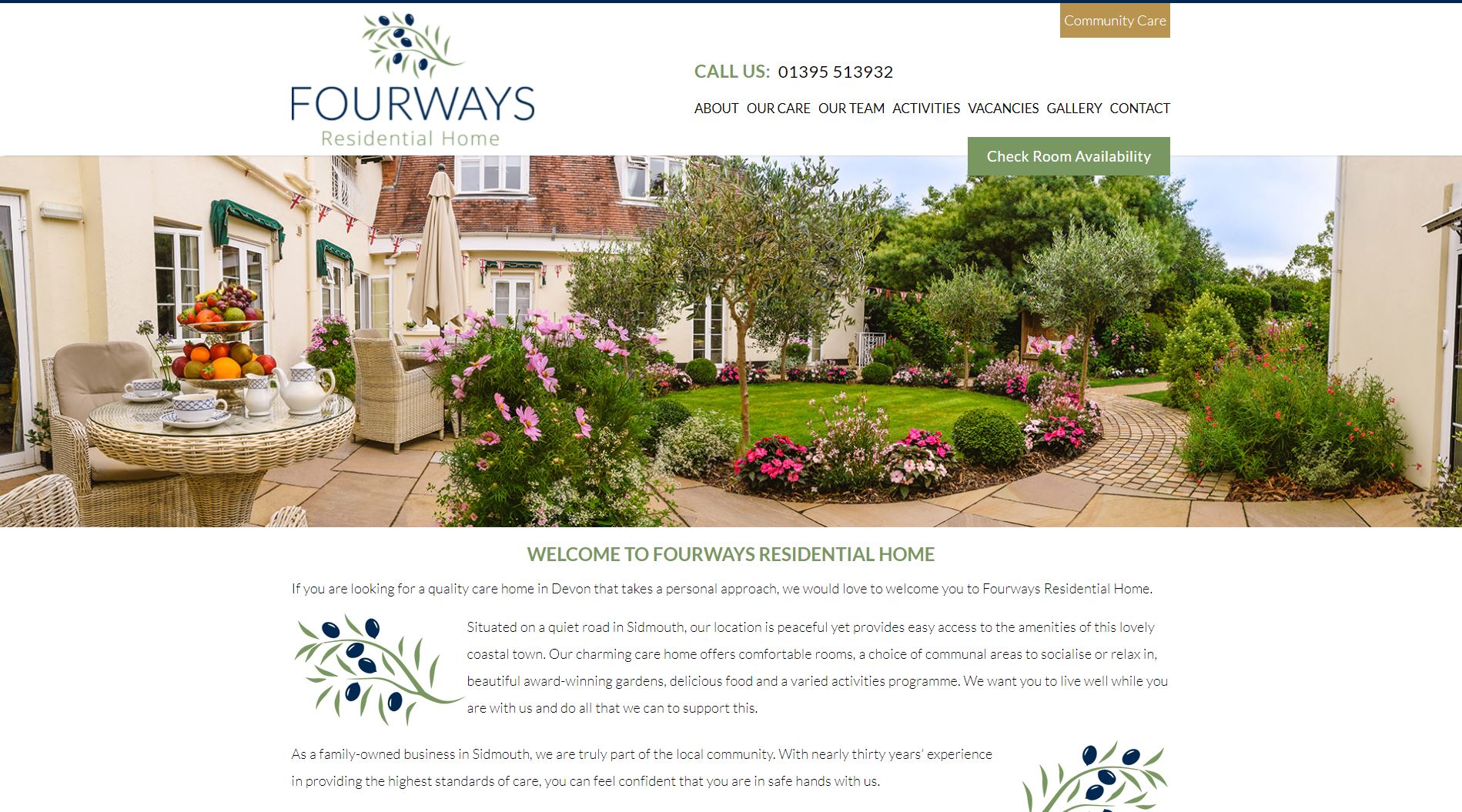
Fourways Residential Home
www.fourways-sidmouth.co.uk
Fourways Residential Home provides high quality care on a quiet road in the coastal town of Sidmouth. Despite its peaceful location it provides easy access to the amenities of the town.
Read more ...